
Plaza de España in Mérida
From being a mercantile forum and a theater for festivities, to housing emblematic buildings, the plaza is a mirror reflecting the different facets of Mérida.
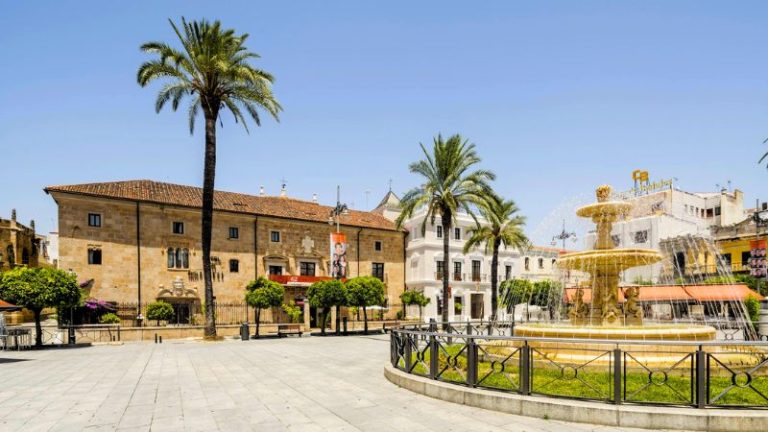
From being a mercantile forum and a theater for festivities, to housing emblematic buildings, the plaza is a mirror reflecting the different facets of Mérida.
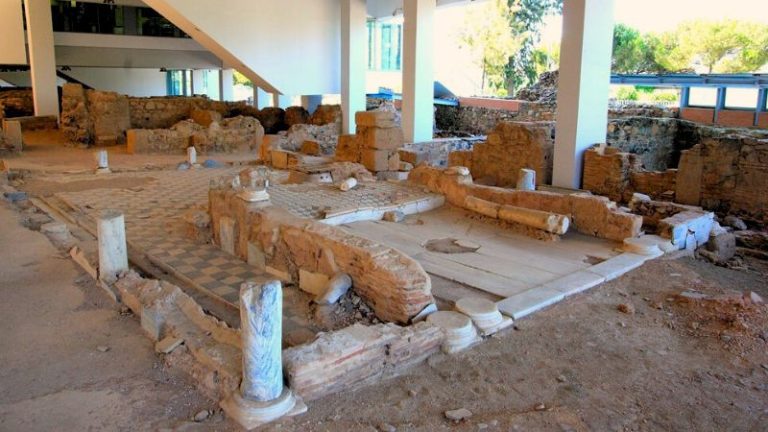
This extensive site of 12,000 square meters is one of the largest urban archaeological areas in the Iberian Peninsula.
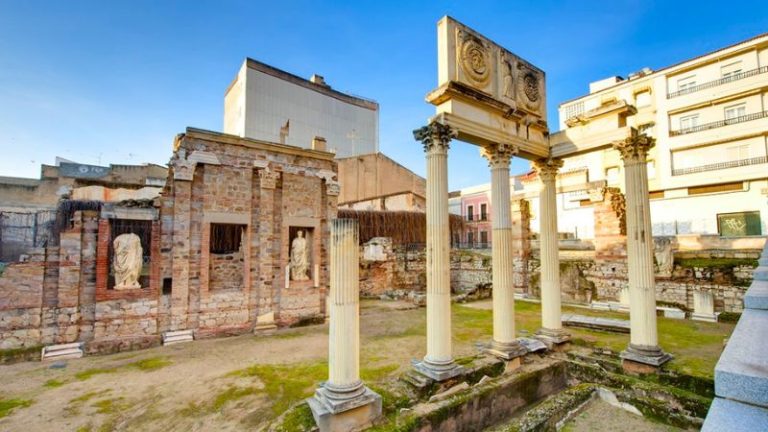
The portico, a corner of a much larger complex, was part of the Municipal Forum of Augusta Emerita, ancient Merida.
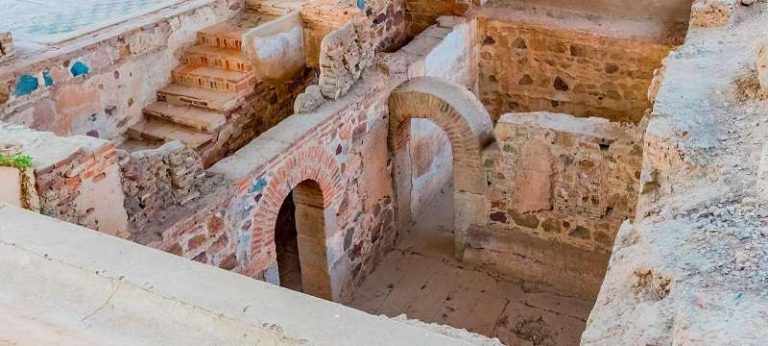
A majestic Roman home of a distinguished family. With three colonnaded courtyards and rooms decorated with exquisite mosaics, highlighting the famous “Cosmic” mosaic.
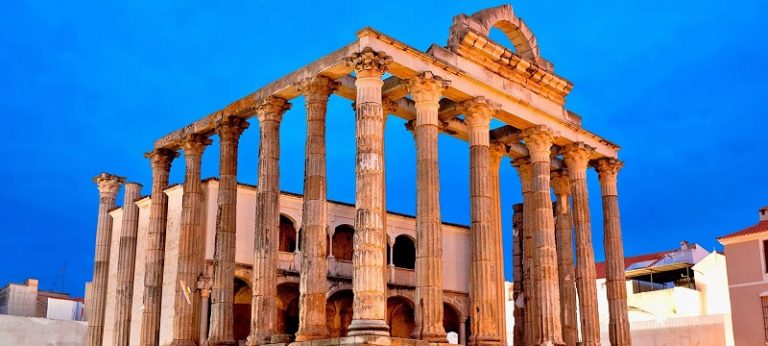
Nothing less than the best preserved temple in the entire Iberian Peninsula. A monument whose function has been transformed over the years.

The aqueduct of Los Milagros is so called because of the fascination of its preservation. It is truly a miracle that its pillars are still so well preserved today.

It is said that it contains the lost treasure of Jerusalem. Although all the attention is given to the Roman heritage, the Co-cathedral of Merida also has a story to tell.

With 60 arches and a length of almost 800 meters, the Roman bridge over the Guadiana is one of the longest Roman bridges in the world.
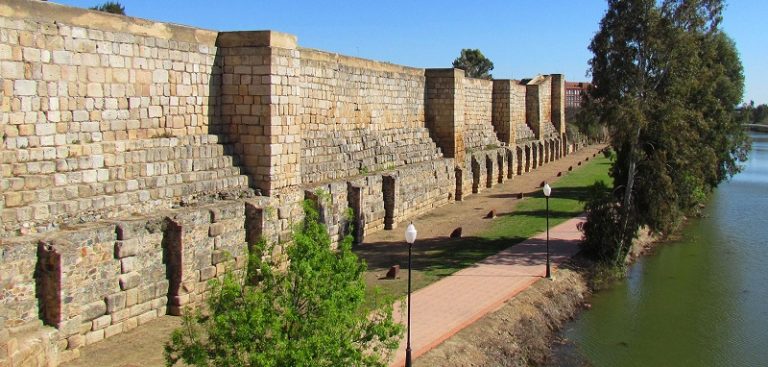
The Moorish Alcazaba of Merida is the oldest in Spain and preserves in its interior the remains of several past eras: Roman, Visigothic and Arabic.
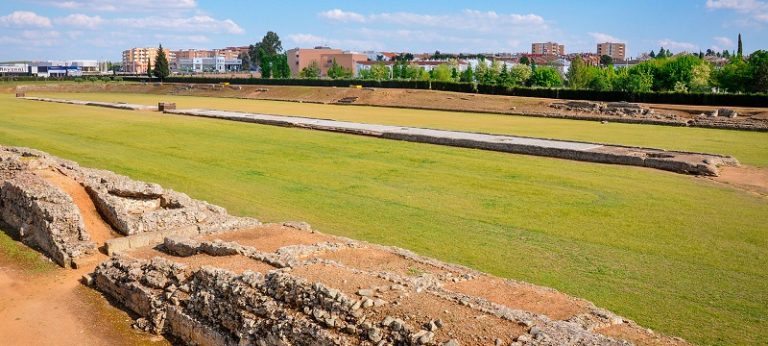
One of the largest Roman circuses in the world and the best preserved in Spain. Up to 30,000 spectators gathered to watch the famous chariot races.